
Working Smarter To Protect Our Watersheds
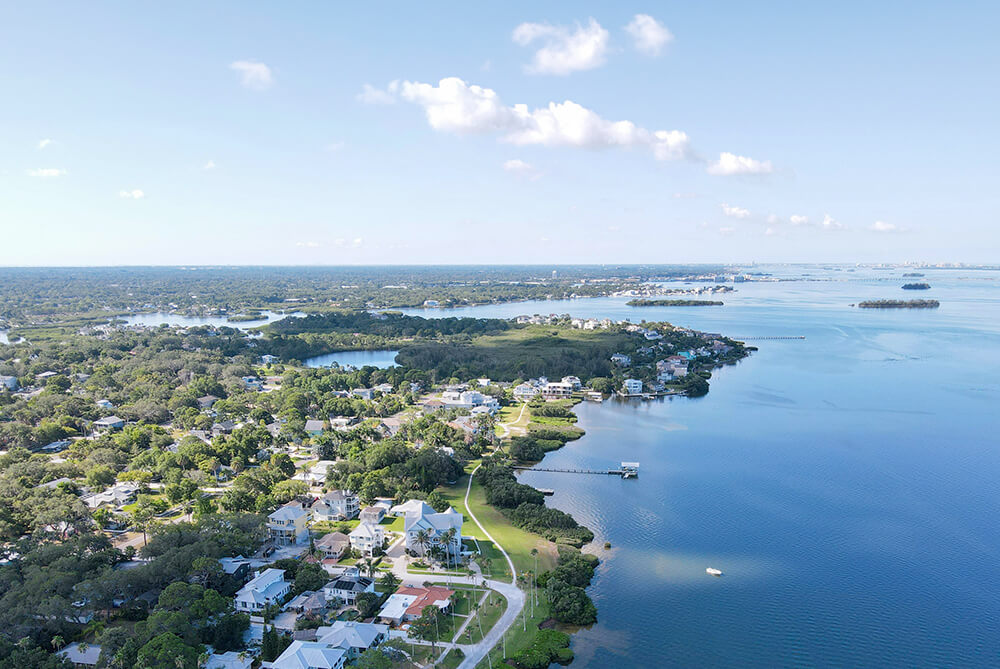
A watershed is the land’s drainage system, catching, holding, and channeling water into the streams, ponds, and rivers that eventually flow to the ocean. Watersheds sustain wildlife, provide drinking water, and offer outdoor spaces that inspire us.
But, from coast to coast, watersheds are under tremendous strain. When land is paved or developed, rainwater rushes over these hard surfaces and collects pollutants as it flows into drains, pipes, and nearby waterways, often causing flooding. This is called stormwater runoff and it is a leading cause of stress on watersheds in the U.S. and many other countries around the world.
Stormwater needs active management to keep watersheds protected, ecosystems healthy and neighborhoods safe, yet it’s often overlooked until flooding or pollution makes it impossible to ignore. To change this, we need to move toward smarter watersheds.
What Are Smart Watersheds?
A smart watershed uses sensors and data to track how stormwater moves, learn from each storm, and actively guide water — so ponds, pipes, and drains work together as a coordinated system.
Today, our infrastructure treats the stormwater that moves through it passively, with each component functioning as an isolated part rather than a connected whole. Much of it was designed around rainfall assumptions rooted in the past, either rushing water into pipes or slowing it modestly, but today’s storms have outpaced even those newer approaches, leading to flooding, polluted waterways, and soaring costs for cities.
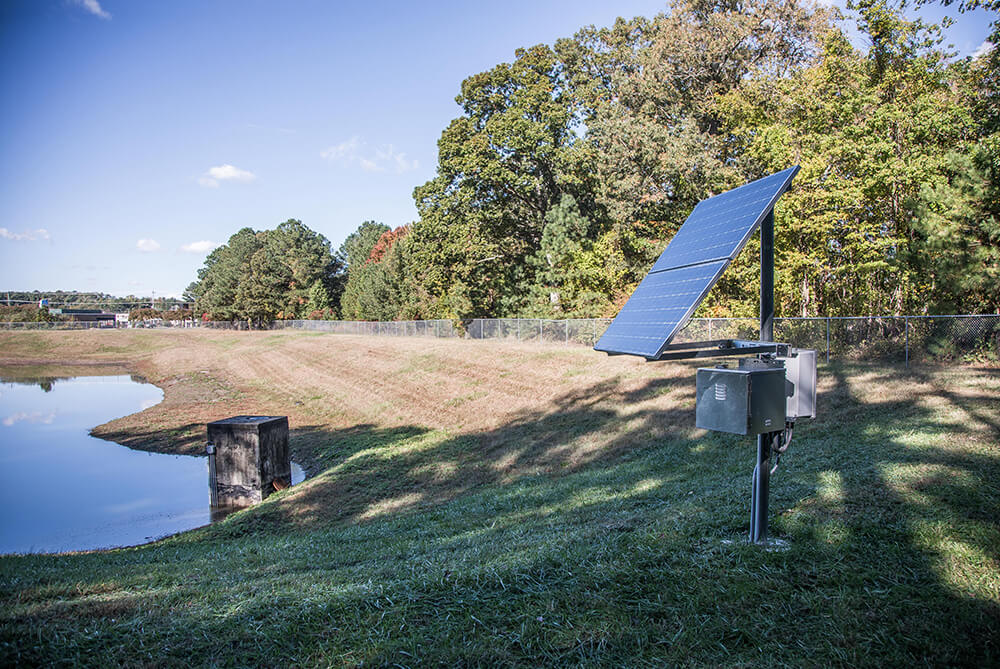
In contrast, a smart watershed turns passive infrastructure into something active. With it, we can “see” inside the drainage system, collect data, and dynamically control when and where to release that water — for example through an automated valve inside of a pond that catches rainwater. This is infrastructure built to work with our watersheds to protect the communities and ecosystems that depend on them.
How Do They Work?
A smart watershed starts with what’s already there. Existing infrastructure is upgraded with technology, such as sensors and valves. These can monitor and respond to water in real time, for example, to empty a pond before a storm, so it can hold more rainwater.
Rather than moving water out as quickly as possible, a smart watershed manages it more thoughtfully, working with natural systems, not against them.
The data behind this isn’t new — it’s been refined over a decade of testing, and much of the tools and technologies are ready to be implemented in watersheds everywhere.
Why Do We Need Them?
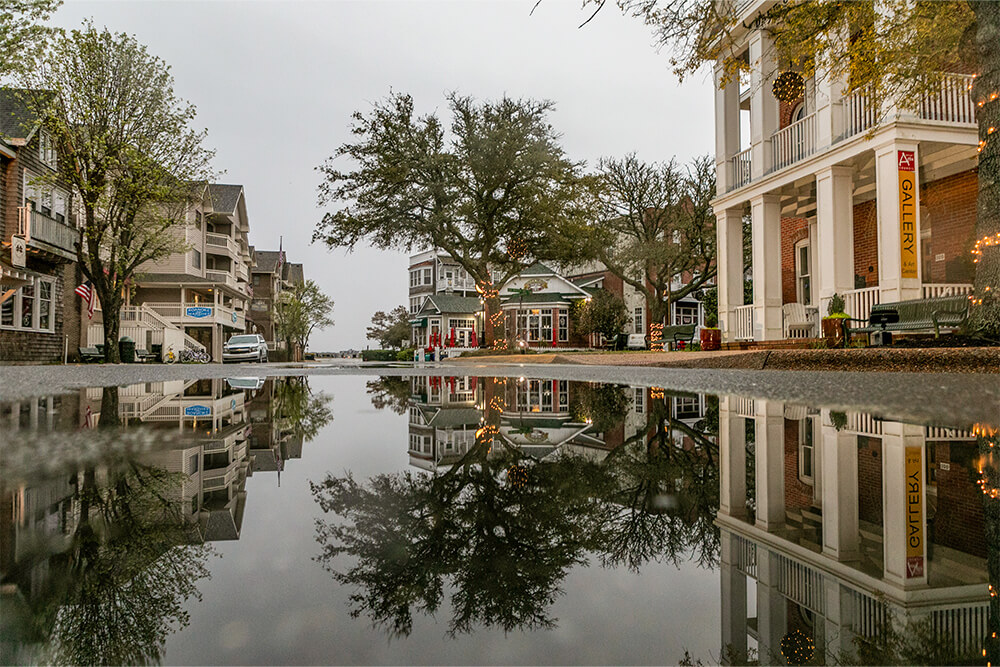
Our 21st-century communities and urban environments are constantly overwhelming the 20th century stormwater infrastructure we built decades ago for a climate, and for a population, that have changed. We need smart watersheds to modernize this infrastructure — otherwise, water quality is going to continue to degrade, and flood damages will continue to compound.
As smart watersheds collect more data across more places, water professionals, utility leaders, and communities can build the confidence to act with more information available. The result: less flooding, healthier ecosystems, and waterways where people can swim, fish, or simply take in the view.

What’s Their Potential?
Smart watersheds can transform how we manage stormwater, shifting the focus from policy compliance to real outcomes. By slowing runoff and reducing pollutants before they reach our rivers and lakes, they deliver measurable results for communities and ecosystems.
The benefits of smart watersheds go beyond the environment. Data-driven insights give policymakers and landowners the tools to ensure that every public infrastructure dollar translates into tangible results – so communities can see exactly what their investment delivers. And because upgrading infrastructure with smart monitoring and active control technology costs far less than building new flood capacity from the ground-up, a smart watershed approach is both practical and affordable.

Where Do They Apply?
Smart watersheds can be applied wherever there is existing stormwater infrastructure, including cities and towns all over the U.S. And as rainfall becomes less predictable, better control over local watersheds is becoming a necessity for every community.
These smart watershed approaches are being piloted in one of North America’s most biodiverse estuaries, Florida’s Indian River Lagoon. The Lagoon is facing environmental threats that technology upgrades can help fix. The technology is added to existing infrastructure, for example sensors are added to ponds, so the watershed can function as a smarter system.
Insights and tools developed through this pilot will inform a roadmap that can be scaled across the country to help protect the health of watersheds nationwide and shared openly along the way.
Building Smarter Watersheds Together
How we manage stormwater defines the health of our ecosystems and the safety of our communities. This is a challenge that will only grow as climate change makes storms more intense and unpredictable.
The good news? We already have many of the tools and technologies needed to make smart watersheds a reality. What’s missing are the governance frameworks and software systems to deploy them at scale — and that’s exactly what is being tested with the Indian River Lagoon pilot. The next step is stakeholders coming together to make it happen.
Authors: Brian King, EVP Marketing, Product Management and Sustainability, ADS and Craig Holland, Brightstorm Program Lead, The Nature Conservancy
